You are your child’s most important teacher. That includes helping them develop early literacy skills at home. Beginning at birth, reading with your child each day is an important routine that sets them up for success in school and beyond. Here are some ways to promote literacy development across multiple domains in toddlers, preschoolers and kindergarteners.

Concepts of Print
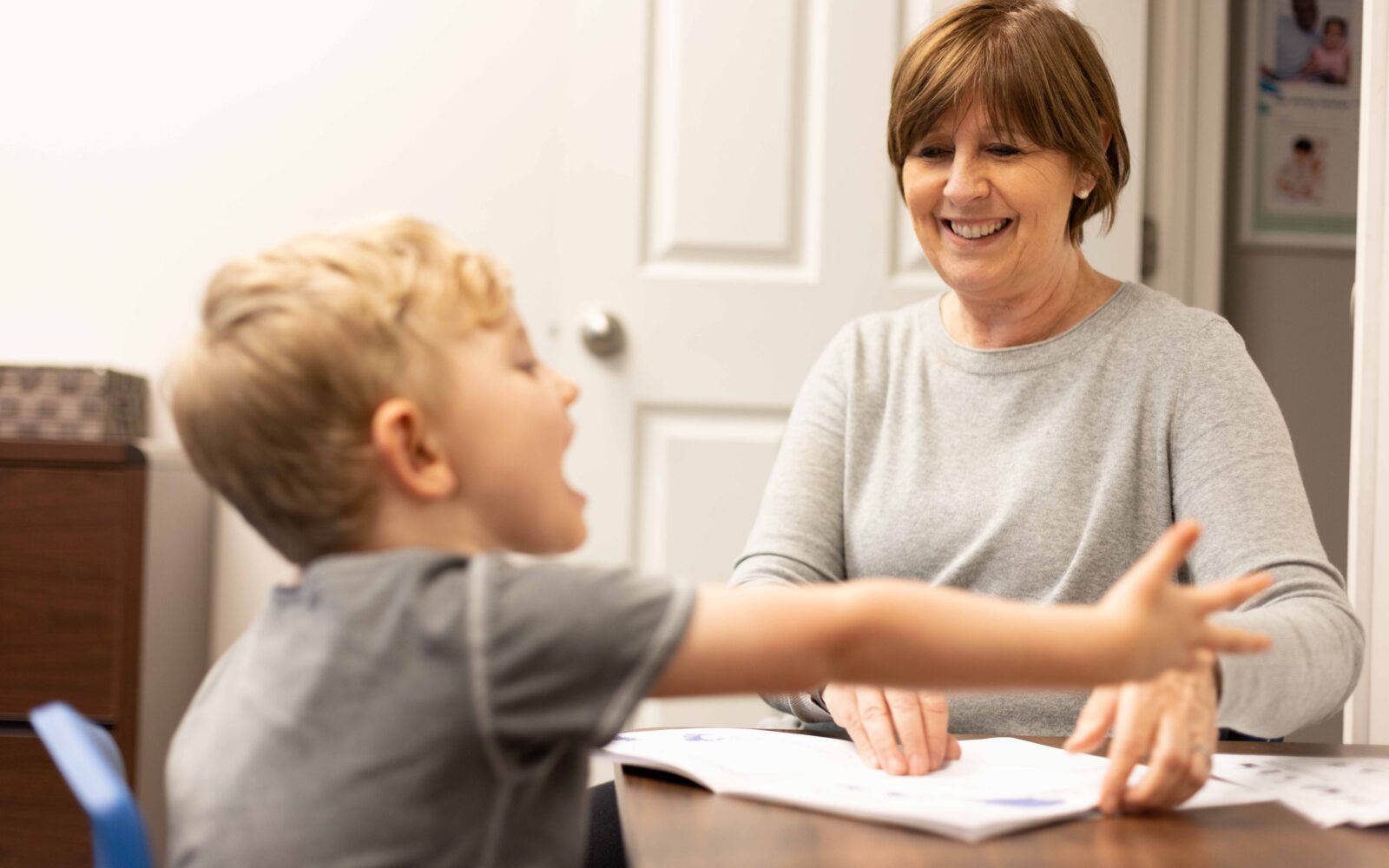
Before children can read independently, they need to learn the vocabulary and mechanics of reading. When you read with your child, show them the front cover, back cover, pages, pictures and words. Have them point to each as they become familiar with these concepts.

Also have your child count the words on a short page of text and then count the letters in a single word. Ask your child to point to where reading begins on a page, and help them understand that we read from left to right by tracking the words with your finger.

Phonological Awareness
Phonological awareness is a child’s ability to hear and manipulate sounds in words and parts of words. Letters are not required to practice this skill.

Point out rhyming words and explain that they sound the same at the end. As your child progresses, ask whether two words rhyme or encourage them to think of a word that rhymes with one you’ve said. Once rhyming becomes easier, focus on beginning sounds. Talk about whether two words start with the same or different sounds and challenge your child to name as many words as possible that begin with a specific sound.

Early Phonics: Letter Names and Sounds
Use puzzles, games, and books to teach your child letter names and the sounds they make. Be sure to include lowercase letters, as they make up most of the text we read.

Help your child understand that each letter has both a name and a sound — just like a cow is called a cow but says “moo.” Encourage your preschooler or kindergartener to guess words in books by identifying the first sound and using picture clues.

Sight Words

Teach your child to recognize written words that are meaningful to them, starting with their own name and the names of family members and pets. You can also point out words like “stop” on street signs or the names of favorite stores and restaurants.

The more sight words your child recognizes, the easier it will be to read early books. Many words in beginner books are sight words and cannot easily be sounded out, so building a strong memory bank is important.

Reading Comprehension
Reading comprehension begins with listening comprehension. Ask your child questions about stories you read together and encourage them to retell stories using pictures as a guide. Children with strong oral language skills tend to have better comprehension when they begin reading independently.

Help Is Available
If your child is struggling with early literacy skills, their teacher, pediatrician or a speech-language pathologist can help. At The Speech & Hearing Center, we incorporate literacy development into our therapy sessions.

Instilling a love of reading at a young age can help your child become a lifelong reader and successful student.

Becky Winkler, Speech-Language Pathologist

Get Free Books! Dolly Parton’s Imagination Library is the preeminent early childhood book gifting program in the world. Free books are mailed monthly to children from birth to their fifth birthday to promote the importance of early literacy. Signal Centers is the local community partner in Hamilton County, managing enrollment and fundraising for the program. Register today to start receiving your free books!